
Students starting their AI journey using modern tools and platforms
Artificial Intelligence is no longer a distant concept—it is part of everyday life in 2026. From smartphones to smart homes, AI is everywhere. For students, learning ai is becoming one of the most valuable skills for future careers. However, starting from zero can feel confusing and overwhelming. Many students don’t know where to begin or what to learn first. The good news is that anyone can start, even without a technical background. With the right approach, tools, and consistency, students can build a strong AI foundation and gradually move toward advanced concepts and real-world applications.
A clear overview of how students can begin learning AI.
The demand for AI skills is growing rapidly across industries like healthcare, finance, education, and technology. Companies are constantly looking for individuals who understand AI concepts and can apply them in practical situations. By starting learning ai early, students gain a competitive edge in the job market. AI is also becoming a core skill, similar to basic computer knowledge. Even non-technical careers now benefit from AI understanding. Students can build projects, participate in competitions, and even start freelancing. Early exposure helps in long-term growth, making AI a smart investment for future success.
Before diving into tools or coding, it is essential to understand what AI actually means. Artificial Intelligence refers to systems that can mimic human intelligence by learning from data and making decisions. When starting learning ai, students should focus on understanding how machines learn patterns and improve over time. Basic concepts include data, algorithms, and models. You can explore a structured foundation through programs like master in digital marketing that also introduce modern technologies. Without this foundational knowledge, advanced topics can feel confusing. A clear understanding of AI basics helps students connect theory with practical implementation, making the learning journey smoother and more effective in the long run. For deeper theoretical understanding, resources like Stanford Encyclopedia of Philosophy – AI can also be helpful.
AI is a broad field with several important subfields that students should know. Machine Learning focuses on training models using data. Deep Learning uses neural networks for complex tasks like image recognition. Natural Language Processing helps machines understand human language, while Computer Vision enables machines to interpret visual data. When learning ai, understanding these subfields helps students decide which area interests them the most. Each field has unique applications and career opportunities. Exploring these areas early allows students to specialize later, making their learning journey more focused and aligned with their goals.

Follow a structured roadmap to master AI step by step.
Starting learning ai requires a structured approach rather than random learning. A roadmap helps students progress step by step without feeling lost. First, build basic math and programming knowledge. Then move to data handling and machine learning concepts. Finally, apply knowledge through projects. This structured progression ensures clarity and confidence at every stage. Without a roadmap, students often jump between topics and lose direction. Following a clear path helps in building strong fundamentals and gradually advancing toward complex AI topics, making the entire learning process more efficient and less overwhelming.
Mathematics plays a key role in learning ai, but students do not need advanced expertise. Basic concepts like linear algebra, probability, and statistics are enough to start. These topics help in understanding how algorithms work behind the scenes. For example, probability helps in predictions, while linear algebra supports data representation. Learning math alongside AI concepts makes it easier to grasp complex ideas later. Students should focus on practical understanding rather than deep theory. With consistent practice, math becomes less intimidating and more useful, forming a strong base for further AI learning.
Programming is a crucial skill when learning ai, and Python is the best language for beginners. It is simple, readable, and widely used in AI development. Students should start with basic concepts like variables, loops, and functions. Gradually, they can move to working with libraries like NumPy and Pandas. Python allows students to implement AI models easily and experiment with data. Learning by doing small coding exercises builds confidence. Even students without coding experience can learn Python quickly with regular practice, making it an essential step in the AI learning journey.
Data is the foundation of AI, so understanding how to work with data is essential. When learning ai, students must learn how to collect, clean, and analyze data. Raw data is often messy, and cleaning it is a critical step before building models. Tools like Pandas help in organizing data, while visualization libraries like Matplotlib make it easier to understand patterns. Data handling skills improve accuracy and efficiency in AI projects. Without proper data understanding, even the best algorithms may fail. Therefore, mastering data handling is a key step in becoming proficient in AI.
Machine Learning is the core of learning ai, and it is where students begin applying their knowledge. It involves training models to learn from data and make predictions. Students should start with simple concepts like supervised and unsupervised learning. Basic algorithms such as linear regression and decision trees are beginner-friendly and easy to understand. Learning how to train and evaluate models is also important. Starting with simple models builds confidence and prepares students for more complex techniques. Machine learning serves as the bridge between theory and real-world AI applications.
Projects are one of the most effective ways to improve while learning ai. They help students apply theoretical knowledge to real-world problems. Beginners can start with simple projects like spam detection or movie recommendation systems. These projects build practical skills and strengthen understanding. Working on projects also improves problem-solving abilities and creativity. Students learn how to handle challenges and debug errors. Over time, projects become more complex, showcasing growth and expertise. Building a portfolio of projects is also beneficial for internships and job opportunities, making this step extremely important.
Choosing the right learning resources is important when starting learning ai. There are many courses available, both free and paid, that cater to beginners. Free courses are great for exploring basics, while paid courses often provide structured learning paths and certifications. Students should look for courses that include practical projects and updated content. Good courses explain concepts clearly and provide real-world examples. Selecting the right course saves time and ensures efficient learning. With the right guidance, students can build strong foundations and progress faster in their AI journey.
Using the right tools makes learning ai easier and more efficient. Tools like Python, Jupyter Notebook, and Google Colab allow students to write and test code easily. Libraries such as NumPy, Pandas, and Scikit-learn simplify complex tasks. Advanced tools like TensorFlow and PyTorch are used for deep learning. These tools help students build models, analyze data, and experiment with ideas. Learning how to use them effectively is an important part of AI education. Familiarity with tools also prepares students for real-world work environments where these technologies are commonly used.
While learning ai, students often make common mistakes that slow their progress. One major mistake is trying to learn everything at once, which leads to confusion. Another is skipping basic concepts like math and programming. Many students also avoid practice and focus only on theory. Fear of coding is another barrier that prevents progress. To succeed, students should focus on one topic at a time and practice regularly. Avoiding these mistakes helps in building a strong foundation and ensures steady progress. Learning from errors is part of the journey and improves long-term understanding.
Consistency is the key to success when learning ai. Students should create a daily study routine that balances theory and practice. For example, one hour of learning concepts and one hour of coding practice can be effective. Weekly goals help in tracking progress and staying organized. Regular revision is also important to retain knowledge. A structured routine prevents procrastination and builds discipline. Over time, consistent effort leads to noticeable improvement. Developing a habit of learning daily ensures steady growth and makes mastering AI concepts easier and more manageable. You can follow structured programs like digital marketing with AI course to build a disciplined learning routine, and refer to productivity methods from NVIDIA AI Glossary for consistency strategies.
Staying motivated is important during the journey of learning ai, especially when topics become challenging. Setting small, achievable goals helps maintain focus and confidence. Tracking progress and celebrating small wins keeps motivation high. Joining online communities or study groups provides support and inspiration. Students can learn from others and solve doubts quickly. Taking breaks and avoiding burnout is also important. Motivation comes from consistent progress and curiosity. By staying engaged and positive, students can overcome challenges and continue improving their AI skills over time.
After mastering the basics of learning ai, students should focus on advancing their skills. This stage involves working with more complex models and larger datasets. Students begin exploring deep learning and improving model performance. Skills like feature engineering and optimization become important. At this level, understanding real-world applications becomes crucial. Students should also start contributing to projects and collaborating with others. This transition marks a shift from basic understanding to practical expertise. With continuous learning and practice, students can confidently move toward advanced AI concepts and career opportunities.
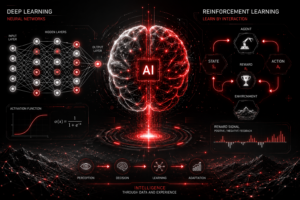
Once students build a strong foundation, the next stage of learning ai involves exploring advanced concepts that power real-world systems. These include deep learning, neural networks, and reinforcement learning. Deep learning uses layered neural networks to process complex data like images, audio, and text. Reinforcement learning focuses on decision-making through rewards and penalties. Students should also learn about model tuning and performance optimization. Understanding these concepts helps in building smarter and more efficient systems. At this stage, experimentation becomes important, allowing students to refine their skills and gain deeper practical knowledge.
Applying knowledge through real-world projects is essential for mastering learning ai. Students should move beyond basic examples and start solving practical problems. For instance, building a chatbot, fraud detection system, or image recognition model can provide valuable experience. Real-world projects require handling messy data, debugging errors, and improving accuracy. This process strengthens problem-solving skills and technical understanding. Projects also help students create a portfolio that showcases their abilities. A strong portfolio increases chances of internships and job opportunities, making project-based learning one of the most important steps in AI education. You can explore more project ideas and insights on the ASMAT blog, and practice datasets from platforms like Kaggle.
Data plays a critical role in learning ai, as AI models depend on high-quality data to perform well. Students must understand how to gather reliable datasets and preprocess them effectively. Poor-quality data leads to inaccurate predictions and weak models. Learning techniques like data cleaning, normalization, and feature selection is essential. Students should also explore open datasets available online for practice. Understanding the relationship between data and model performance helps in building efficient systems. Mastering data handling ensures that students can work on real-world problems where data quality is often inconsistent.
As students progress in learning ai, they should explore different specializations to find their interests. Popular areas include Natural Language Processing, Computer Vision, Robotics, and AI Ethics. Each specialization offers unique challenges and career paths. For example, NLP focuses on language-based applications like chatbots, while Computer Vision deals with image and video analysis. Exploring these fields helps students decide where to focus their efforts. Specialization allows deeper expertise and increases career opportunities. Choosing the right area depends on personal interest, industry demand, and long-term career goals.
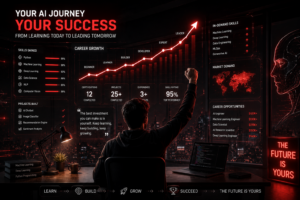
AI skills unlock powerful career opportunities.
The career opportunities in AI are vast and continuously growing. Students who invest time in learning ai can pursue roles such as AI Engineer, Data Scientist, Machine Learning Engineer, and AI Researcher. Even non-technical roles like product management and business analysis now require AI knowledge. Companies across industries are integrating AI into their operations, creating high demand for skilled professionals. Students can also explore freelancing, internships, and startup opportunities. Early preparation and skill development increase employability, making AI one of the most promising career paths in 2026 and beyond.
Consider a student with no prior coding experience who begins learning ai in 2026. Initially, they spend one month learning Python basics and simple math concepts. In the next two months, they explore machine learning and build small projects. Gradually, they move to advanced topics like deep learning and work on real-world datasets. Within six months, they create a portfolio showcasing multiple projects. This structured approach helps them gain confidence and practical skills. Eventually, they secure an internship, proving that consistent effort and the right roadmap can lead to success in AI.
AI is a rapidly evolving field, so continuous learning is essential. Students engaged in learning ai should stay updated with new tools, frameworks, and research developments. Reading blogs, watching tutorials, and participating in online forums helps in staying informed. Practicing regularly and experimenting with new ideas improves understanding. Students should also revisit old concepts to strengthen their foundation. Learning never stops in AI, and adapting to new trends ensures long-term success. A growth mindset and curiosity are key factors that drive continuous improvement and expertise in the field. To stay updated, you can explore the ASMAT blog and follow research updates from platforms like Google AI Education.
Yes, beginners can start learning ai without prior coding knowledge. Python is easy to learn and beginner-friendly. With consistent practice, students can quickly gain the necessary programming skills.
The time varies, but with daily practice, students can build a solid foundation in 4–6 months. Mastery takes longer, depending on dedication and practice.
No, basic math concepts like algebra and probability are enough to start. Advanced math can be learned gradually as needed.
Python is the most popular and recommended language for learning ai due to its simplicity and powerful libraries.
Yes, well-structured AI courses for beginners provide guidance, practical projects, and a clear learning path, making them highly valuable.

Start your AI journey today and build future-ready skills.
Starting learning ai from zero in 2026 may seem challenging, but it is entirely achievable with the right strategy. By focusing on fundamentals like math, programming, and data handling, students can build a strong base. Gradually progressing to machine learning, advanced concepts, and real-world projects ensures steady growth. Consistency, practice, and curiosity play a crucial role in success. AI is not just a skill—it is a gateway to future opportunities. Students who start today will be better prepared for tomorrow’s technology-driven world and can unlock endless career possibilities.